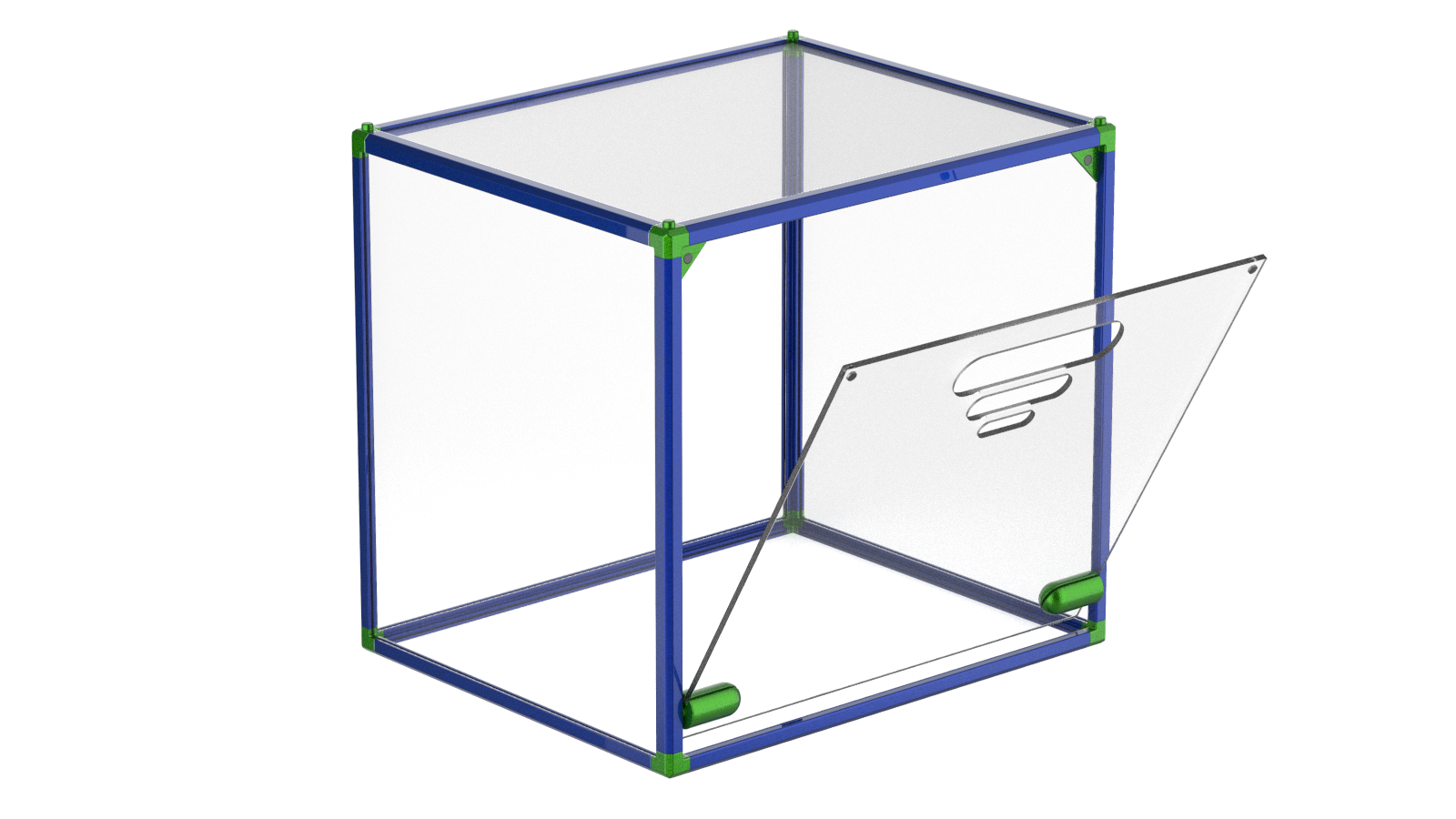
Drop-Front Stackable Shoe Storage System
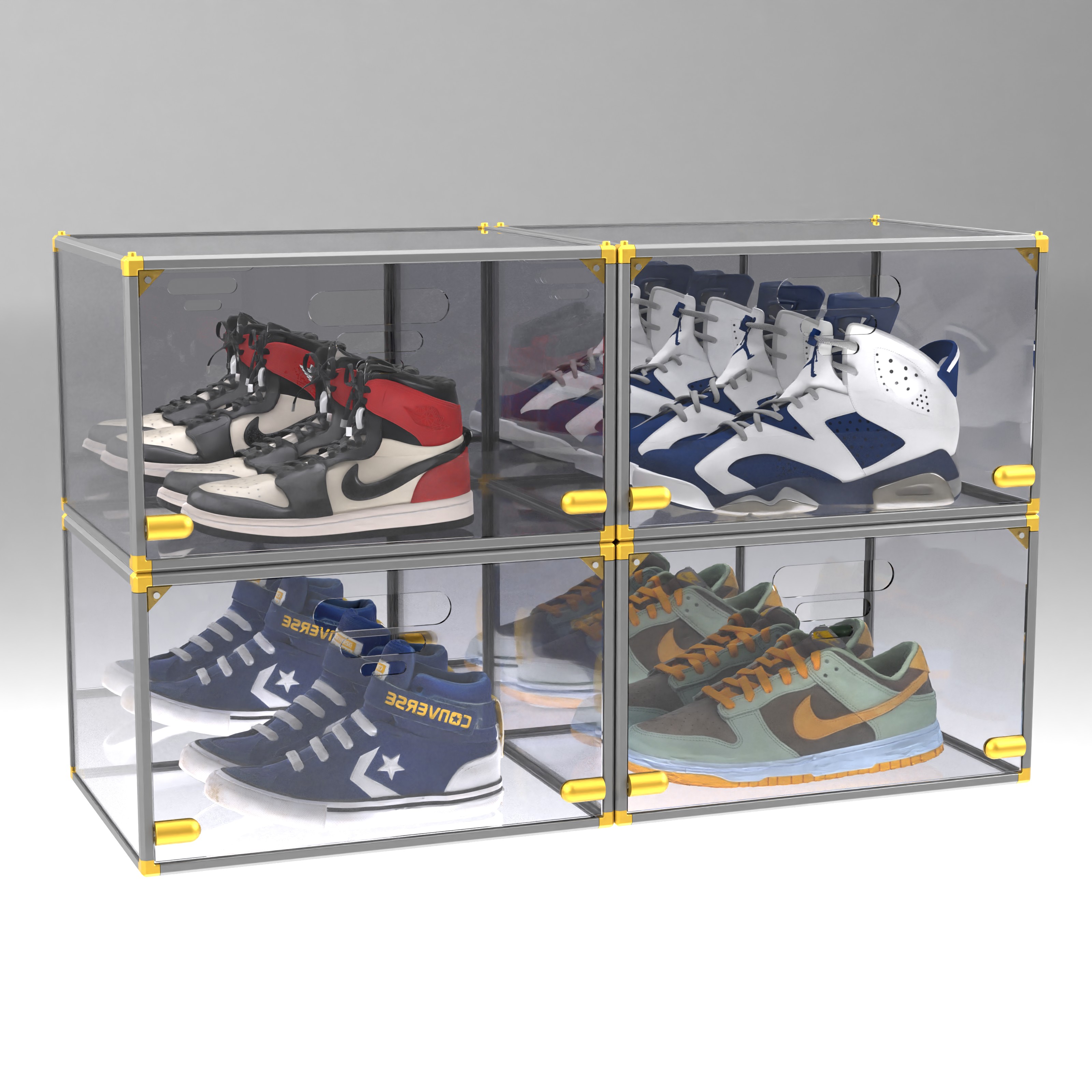
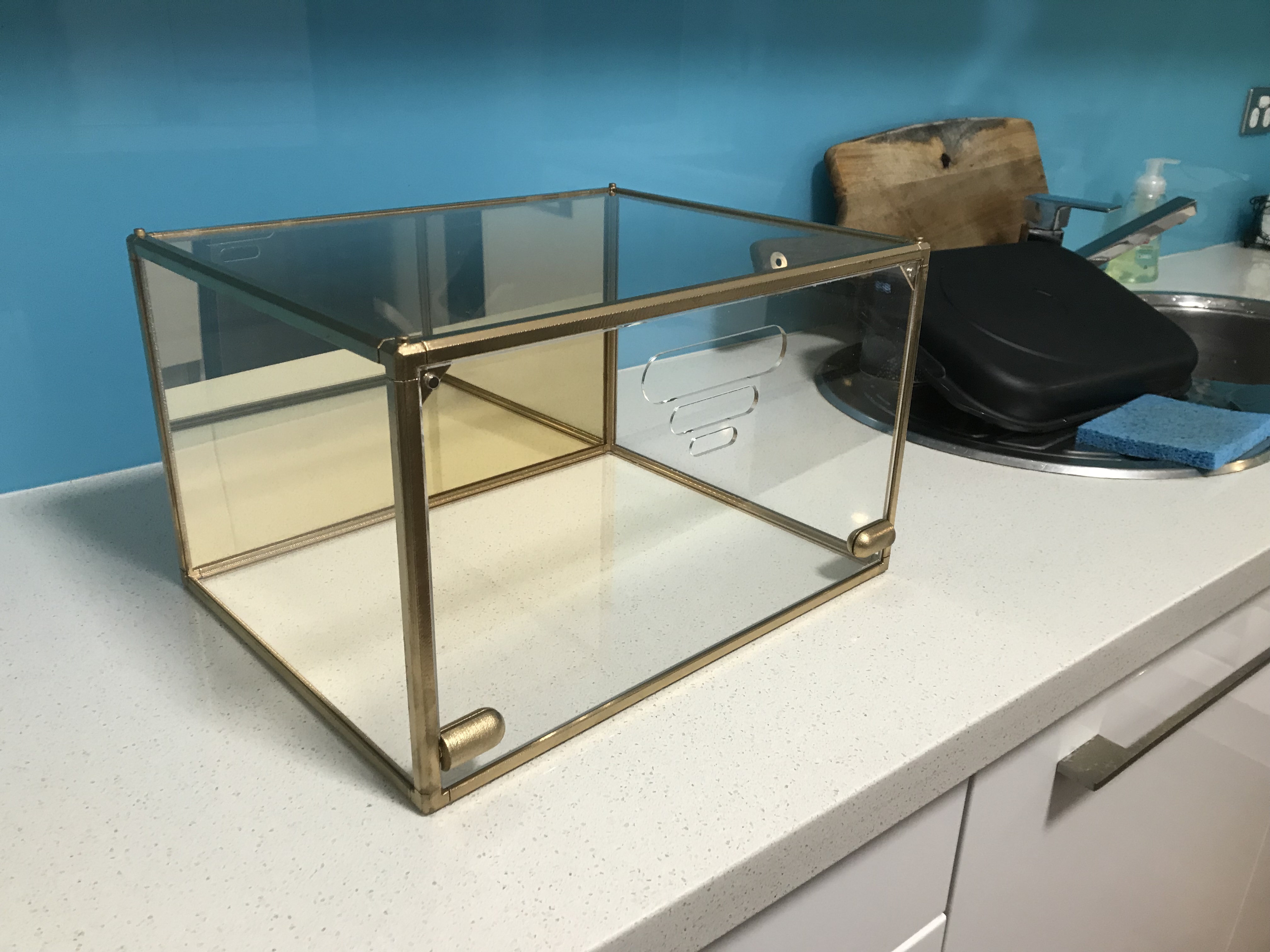
Modular aluminum & acrylic storage system
Industry:
Role & Scope:
Tools & Methods:
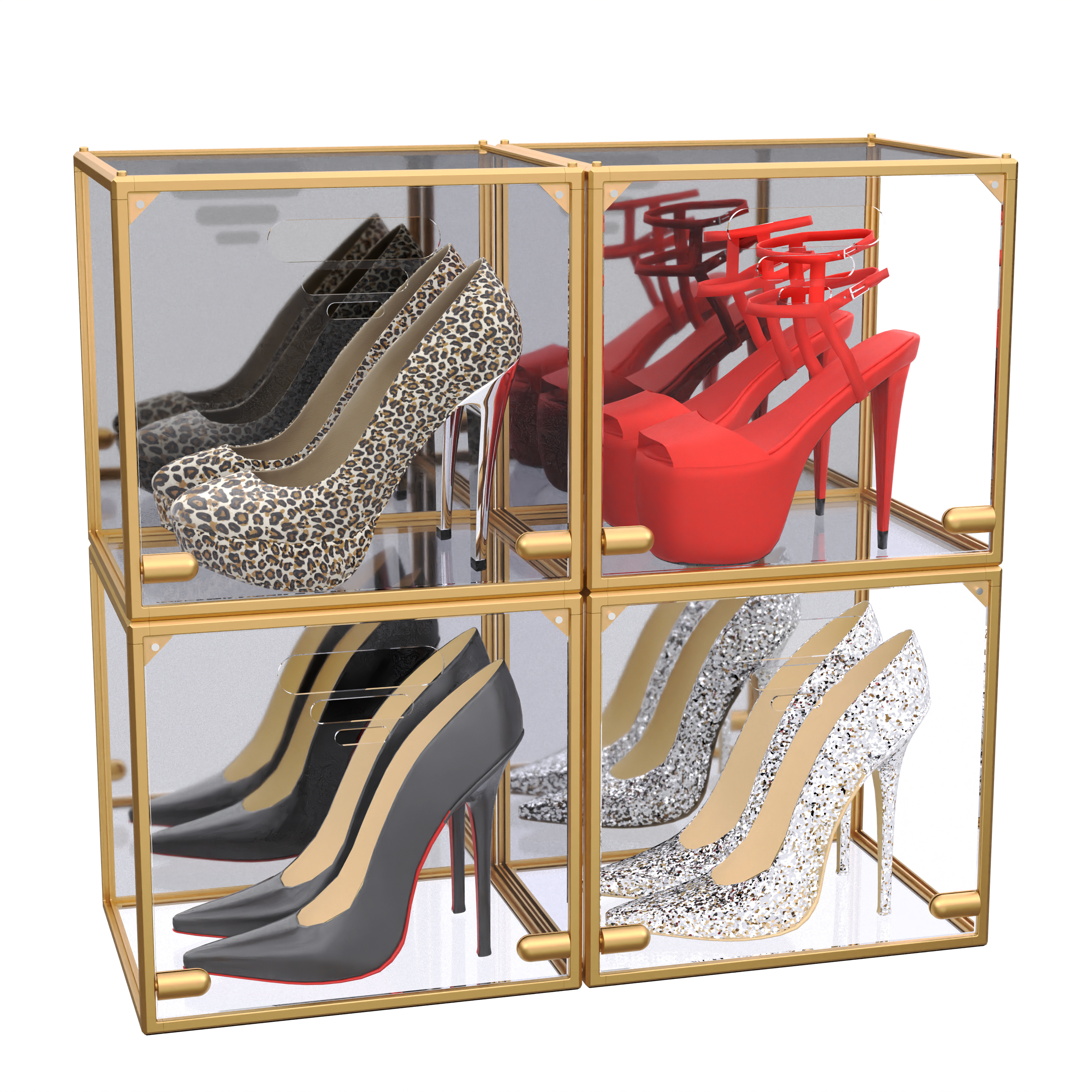
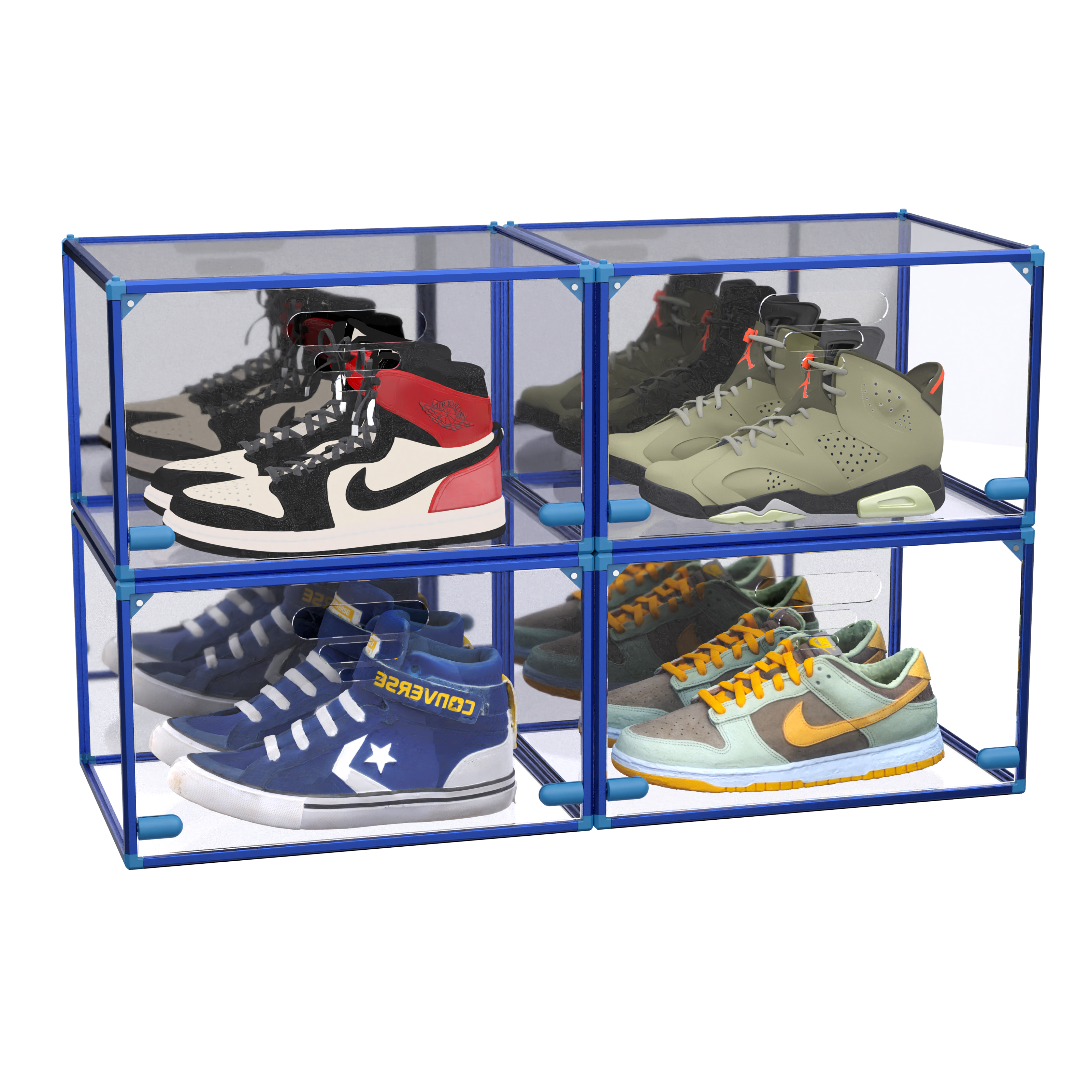
Gallery:
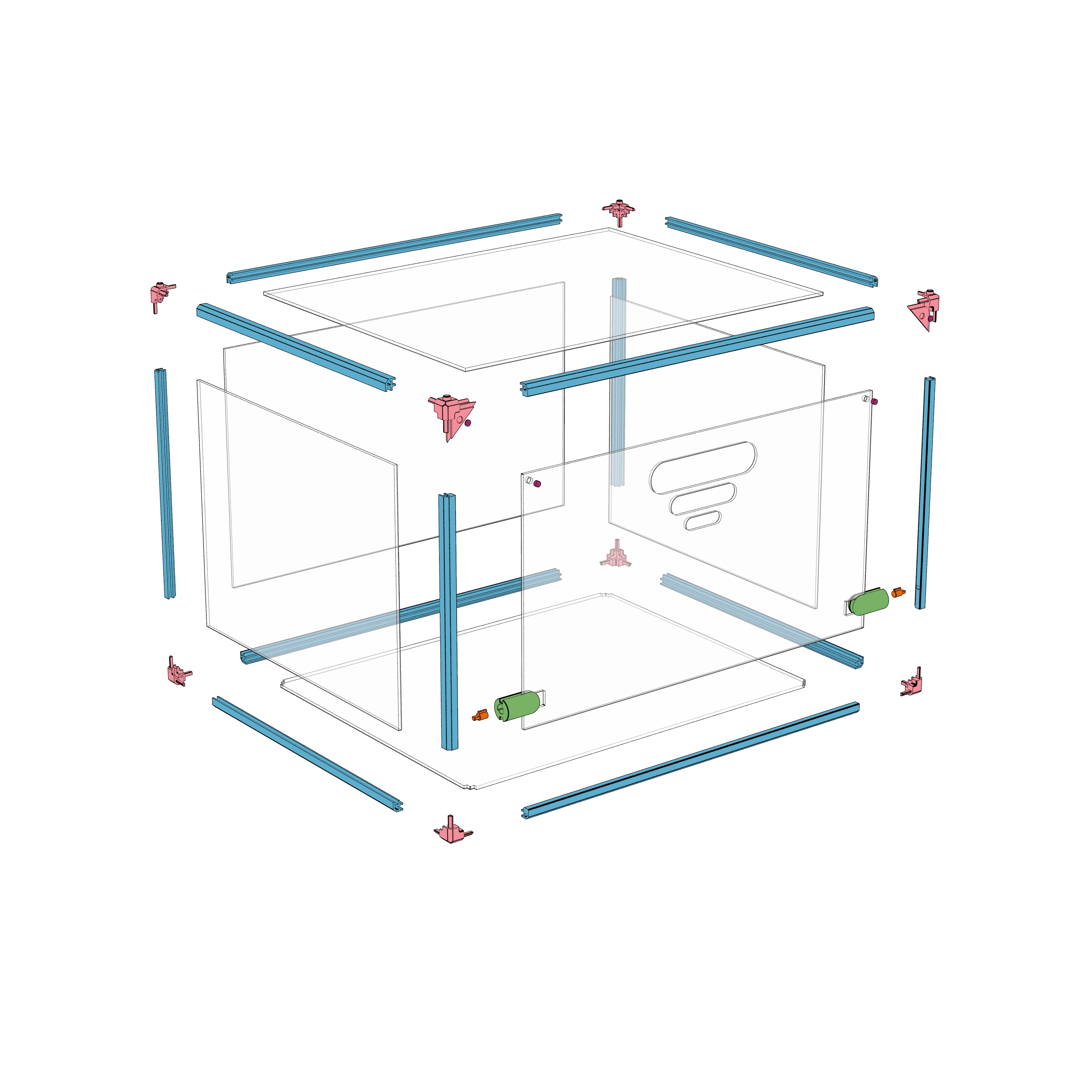

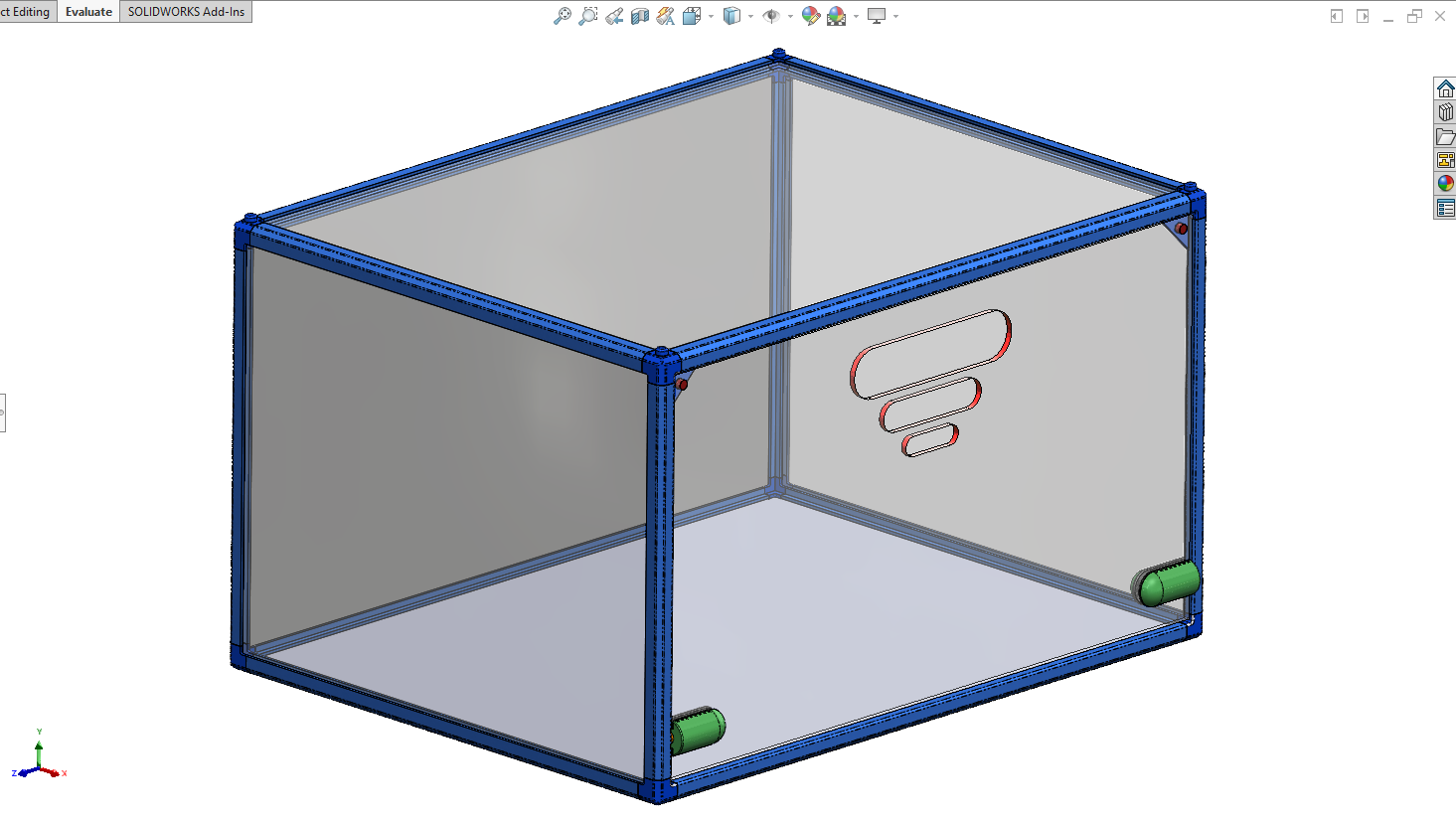
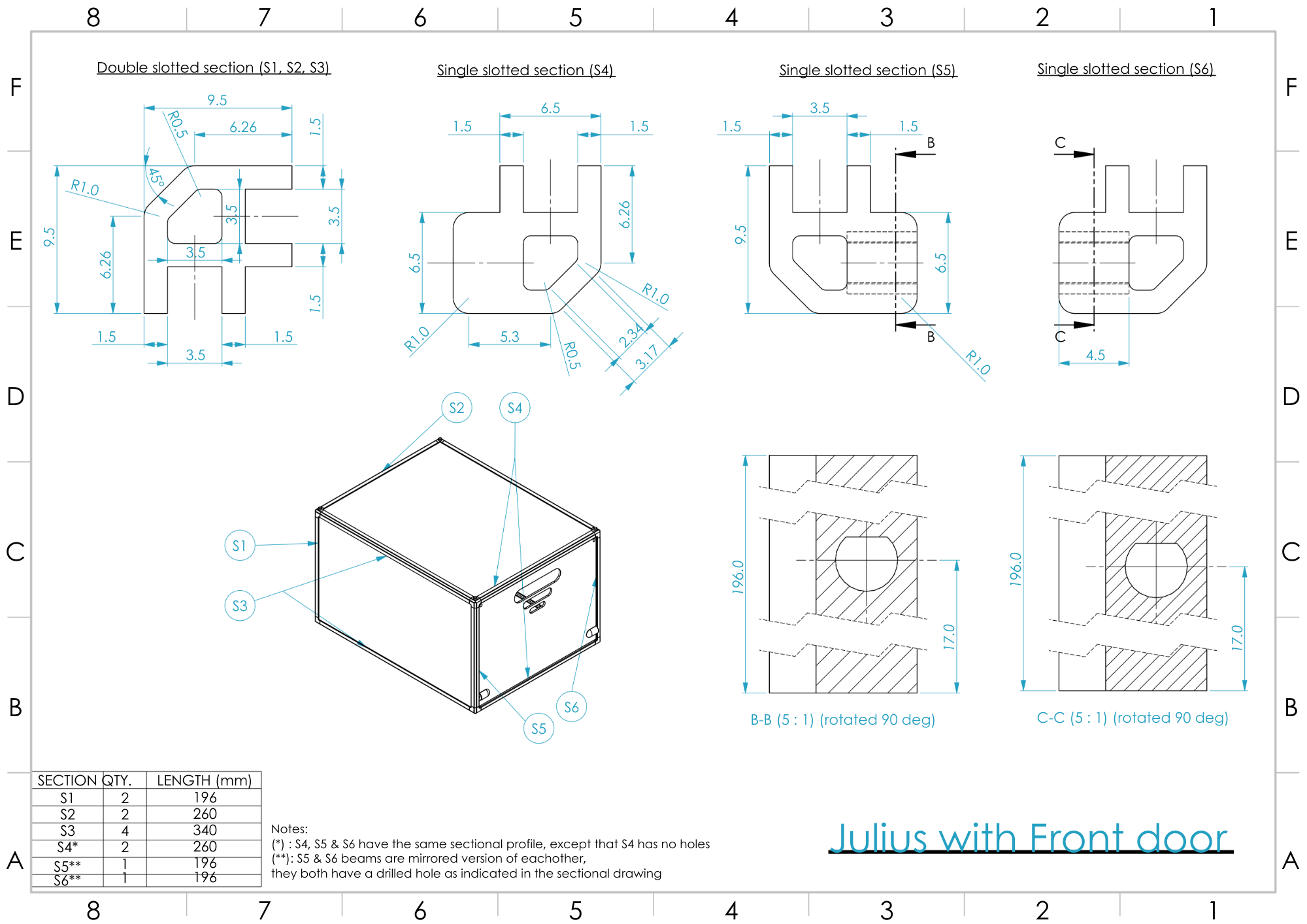
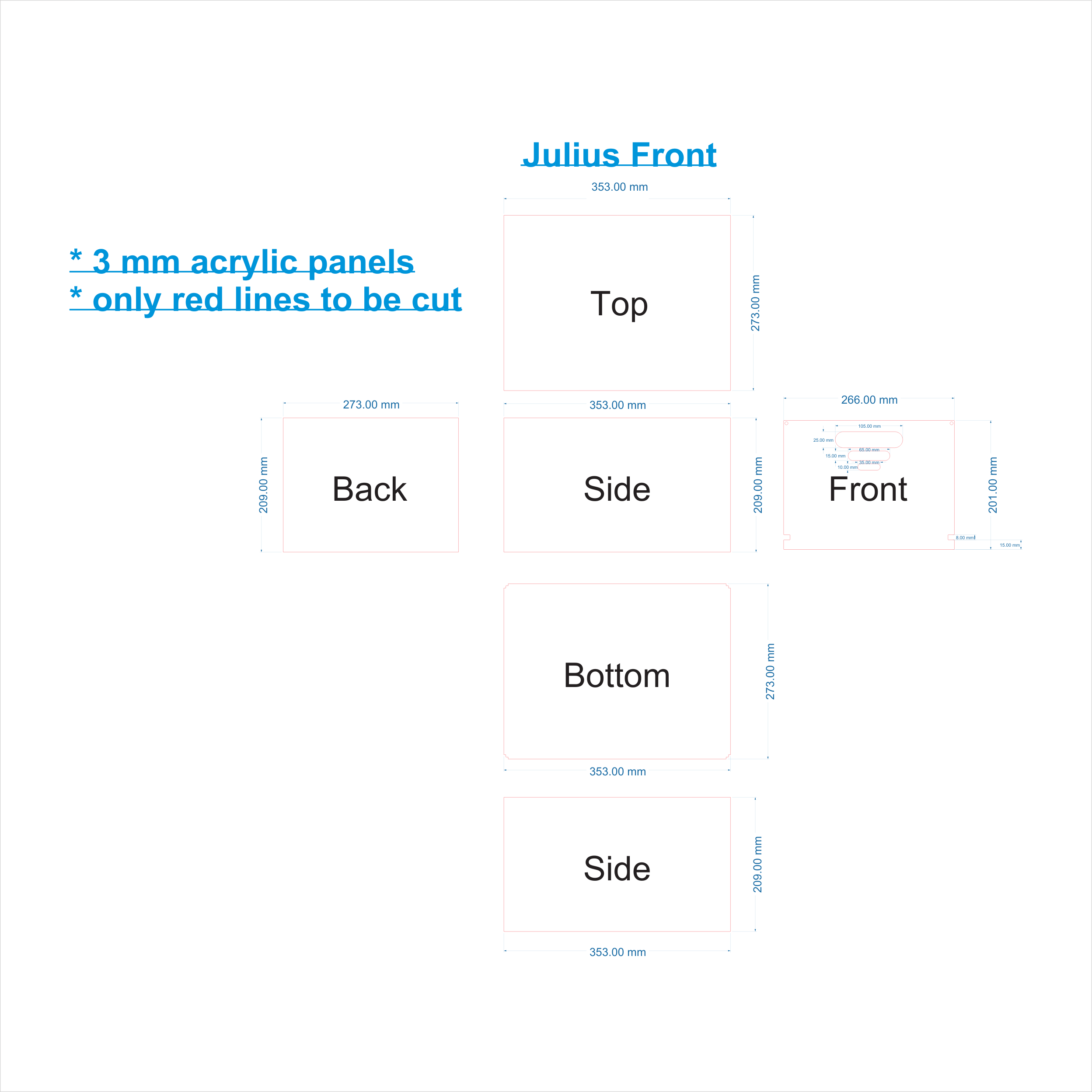
CAD Development & Engineering Proof:
Key features:
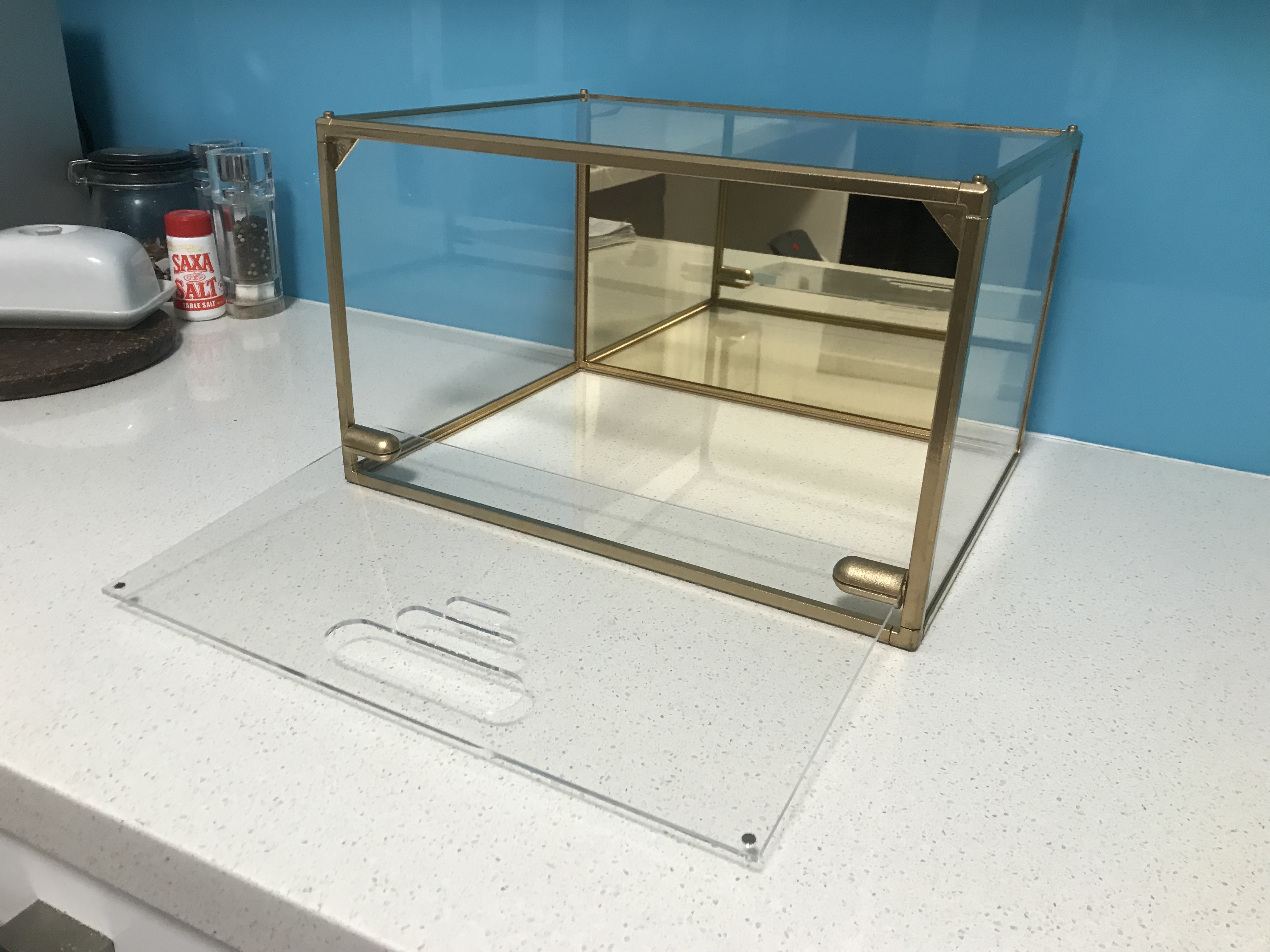
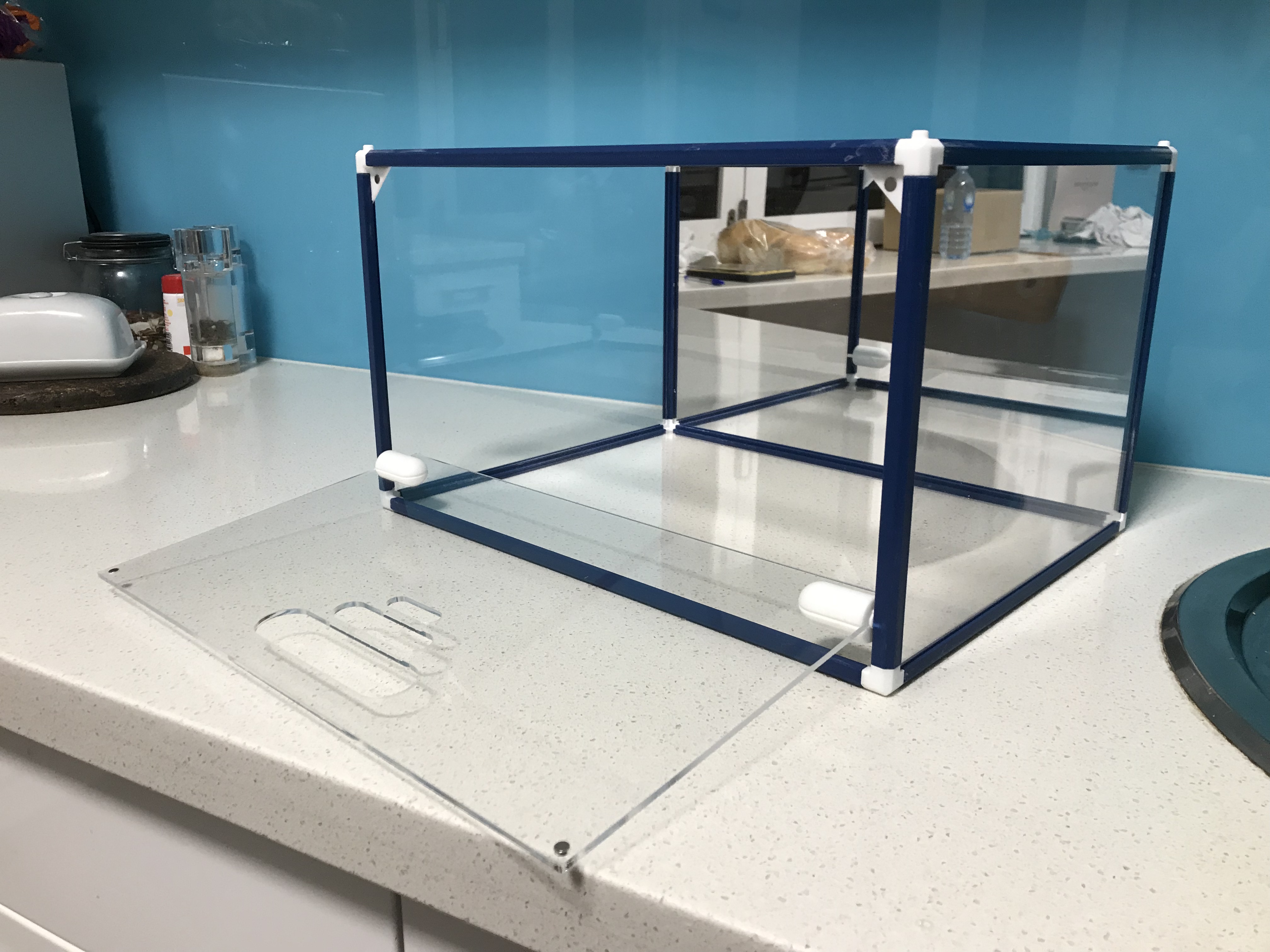
- Drop-front hinged access for easy use
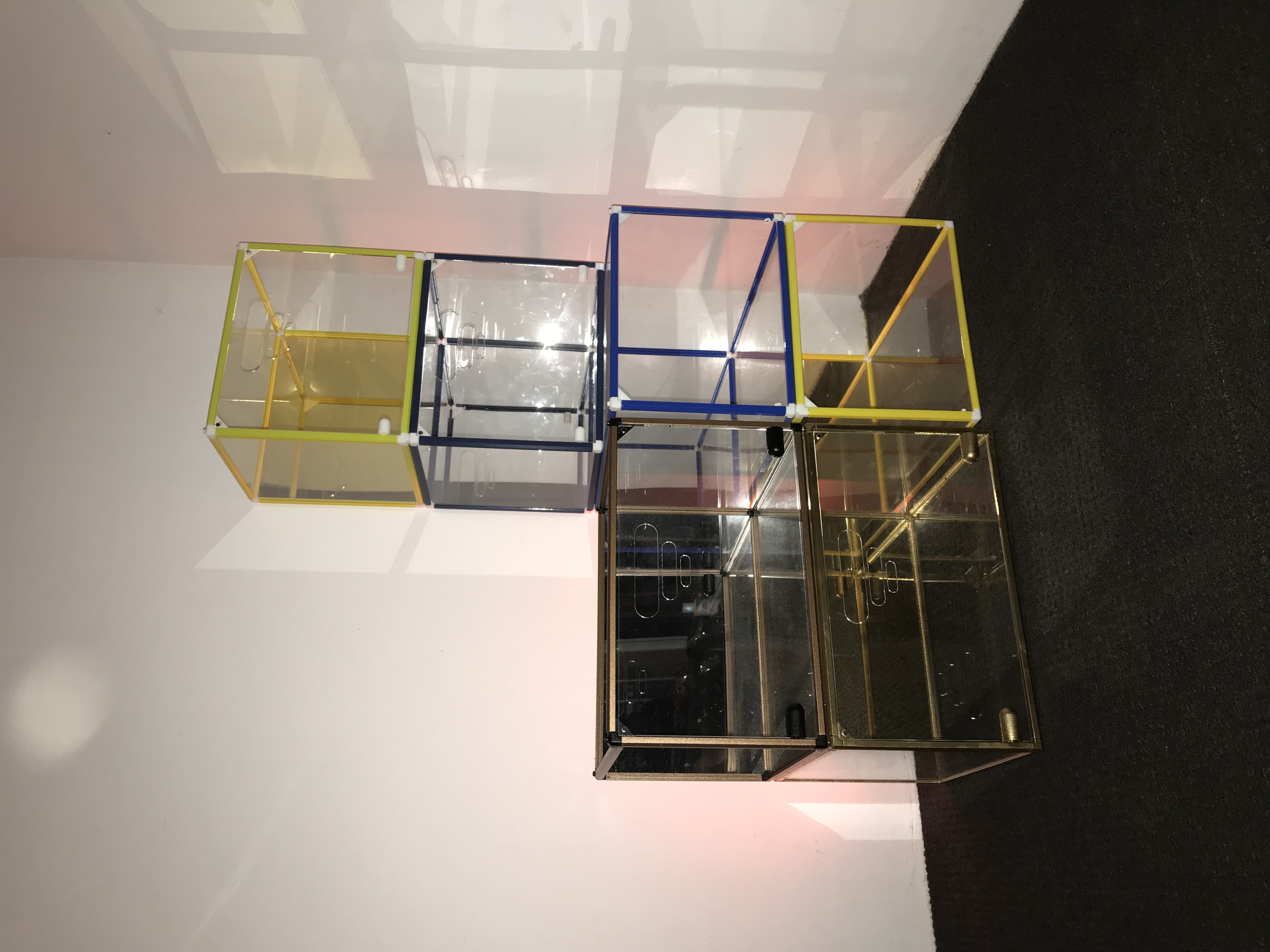
- Modular stacking system inspired by shipping containers
- Anodized aluminum frame options
- Clear or mirrored acrylic panels
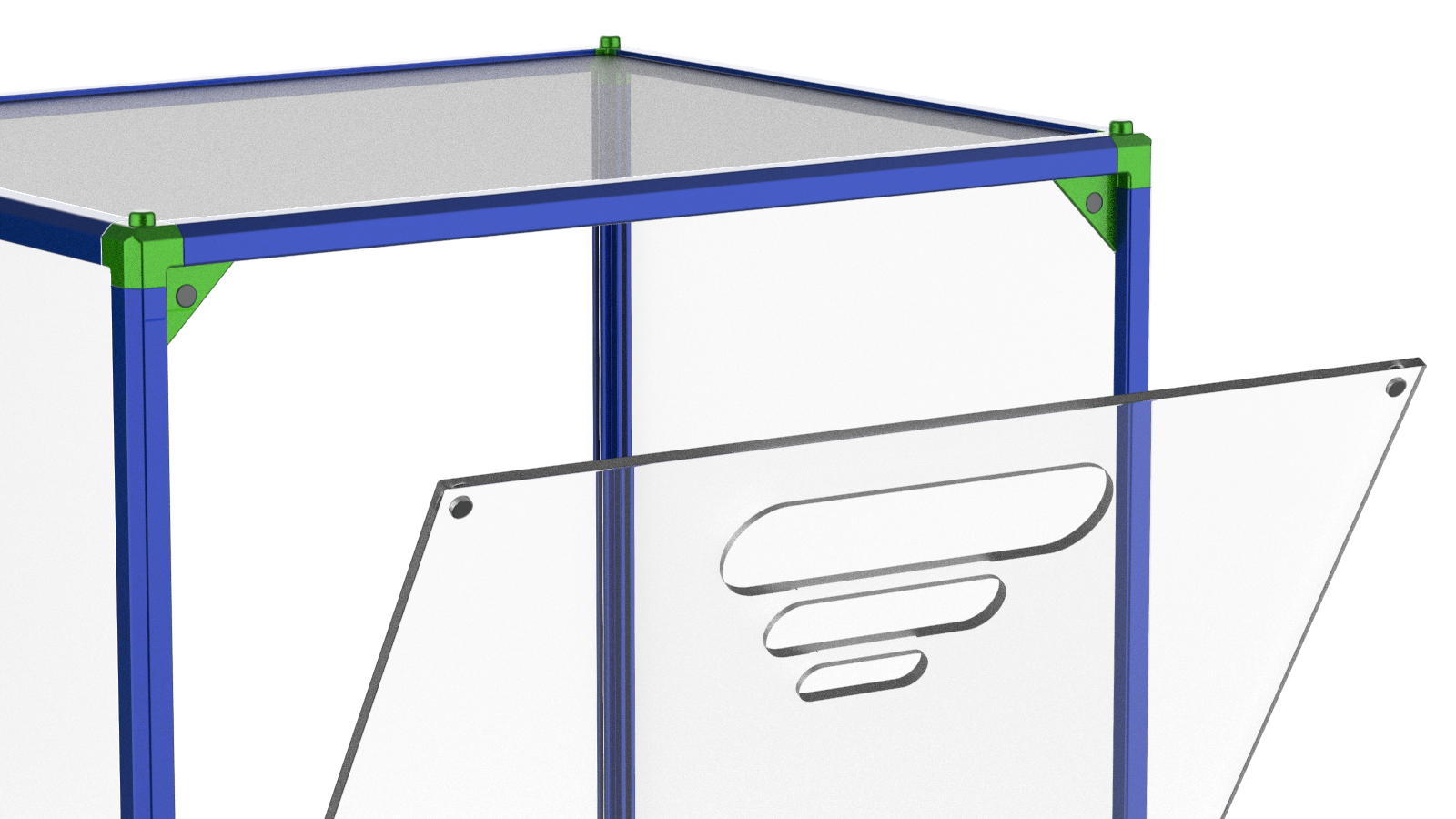
- Tool-less, fastener-free assembly
- Flat-pack friendly design
The Challenge:
Most drop-front shoe boxes on the market suffer from several issues:
- Weak plastic construction
- Poor transparency and surface finish
- Unstable stacking behavior
- Complicated or unreliable assembly
The challenge was to create a rigid, premium-feeling system using aluminum extrusions and acrylic panels, while still accounting for:
- Real-world material tolerances
- Variability in acrylic sheet thickness
- Manufacturing limitations of laser cutting and prototyping
All without introducing visible fasteners or compromising stability.
Key constraints:
Several constraints influenced the final design:
- Acrylic sheet thickness variation between suppliers
- Laser cutting accuracy limitations
- Injection mold tooling constraints
- Requirement for stack stability without visible hardware
Each constraint required engineering trade-offs rather than cosmetic fixes.
Outcome:
The final result was a fully engineered, production-ready modular shoe storage system.
Delivered outcomes included:
- Validated prototypes
- Manufacturing-ready CAD models
- Supplier-ready STEP and DXF files
- A refined hinge and connector system suitable for mass production
The project successfully progressed from concept to a tooling-ready state.
What this project demonstrates:
- Strong understanding of manufacturing tolerances and real-world constraints
- Ability to design modular systems with shared components
- Experience bridging prototype → production
- Clear communication and collaboration with manufacturers and clients
Process & Key decisions:
The design process involved multiple iterations and key engineering decisions:
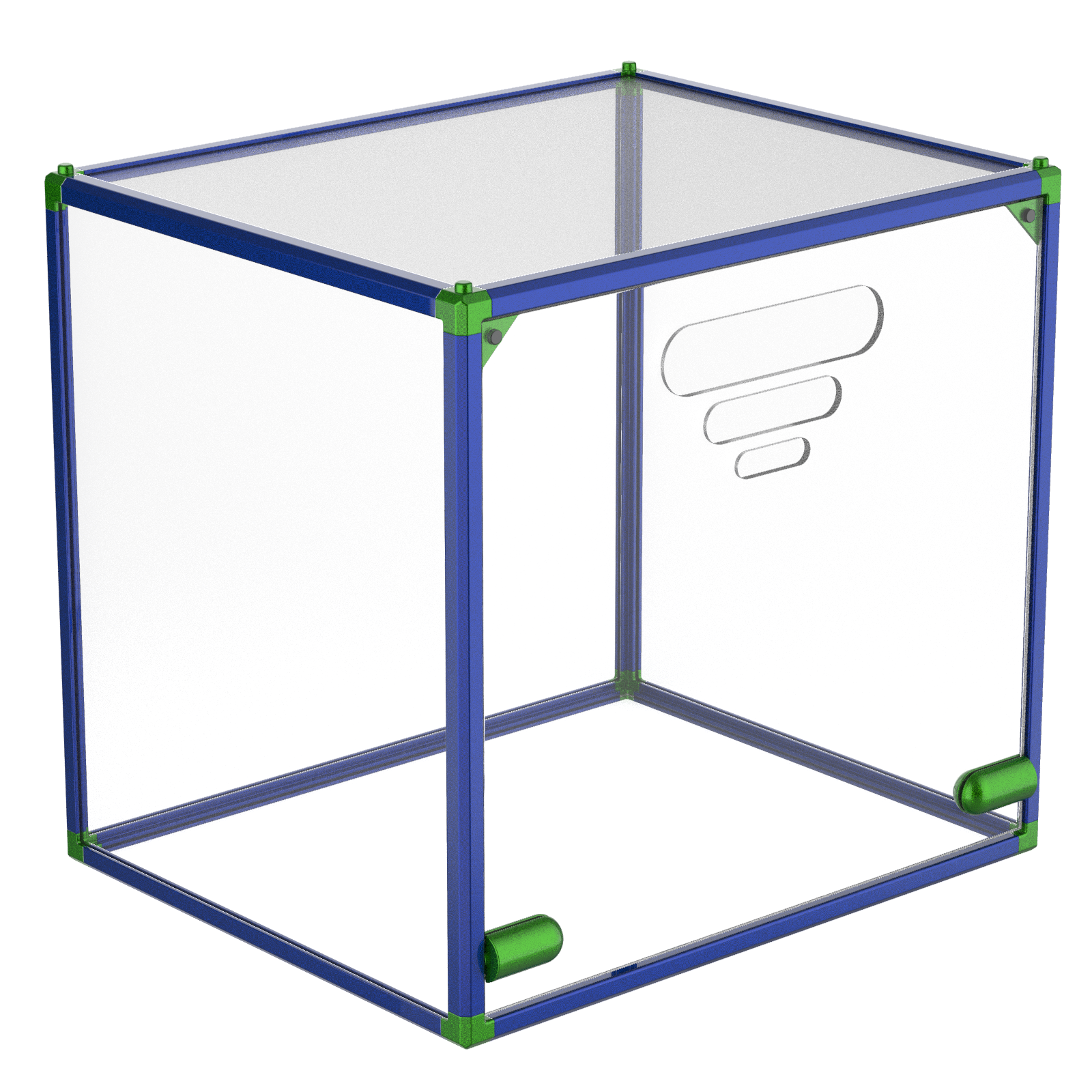
- Designed a parametric aluminum extrusion frame system allowing multiple box sizes with shared components
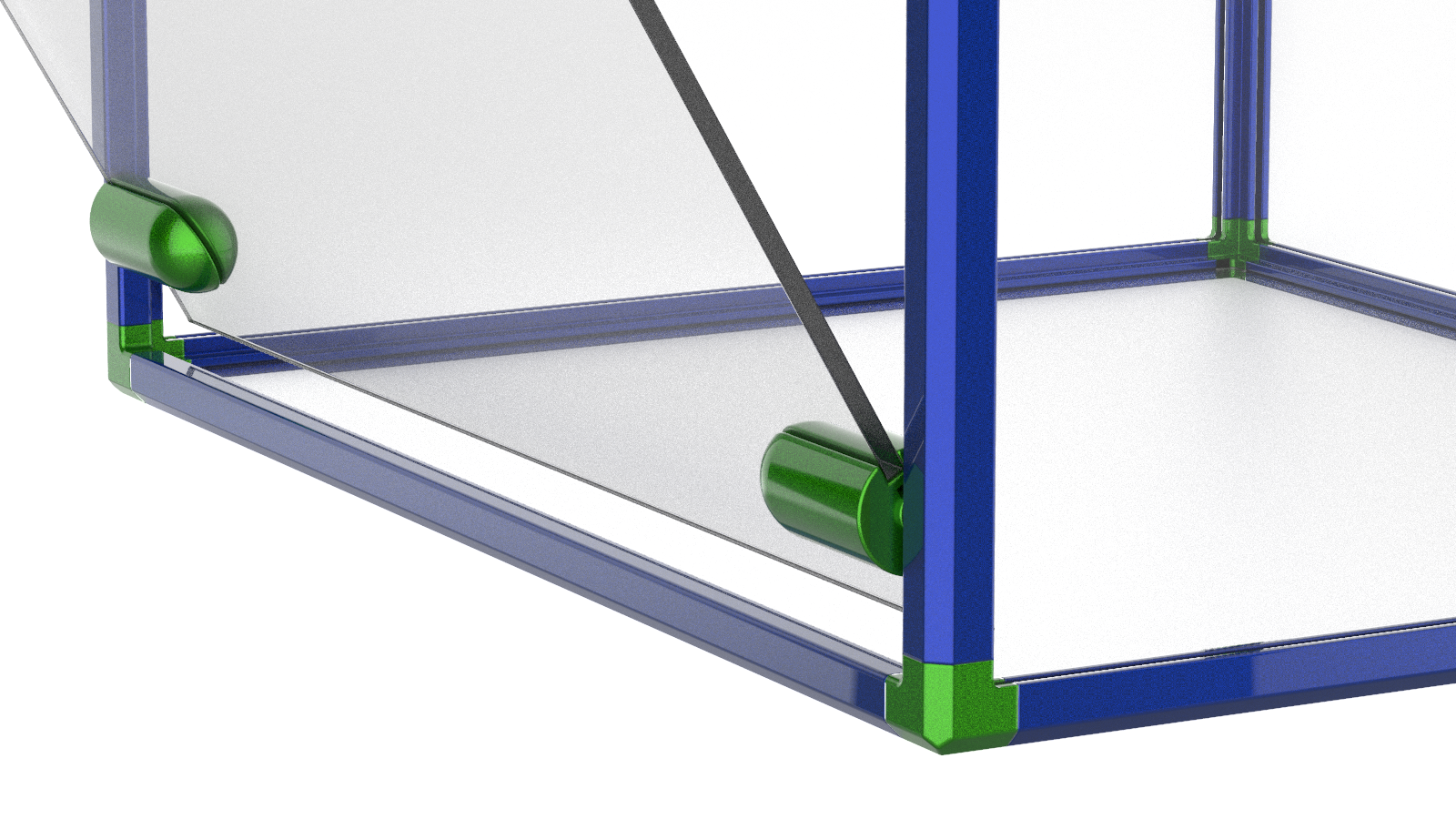
- Developed custom connectors, hinges, and pins to eliminate visible fasteners
- Iterated extensively on tolerance management, especially for acrylic panel thickness variation
- Redesigned the hinge system several times to improve fit, durability, and user feel
- Explored over-molding / co-molding solutions to accommodate acrylic variability while maintaining a firm grip
- Prepared CAD outputs suitable for prototyping, quoting, and tooling
Close collaboration with manufacturers and prototyping vendors guided many of these decisions.