Smart Straw Bottle Lid System
Thread + Spout + Silicone Seal (Hydroflask/DYLN Style)
Industry:
Role & Scope:
Tools & Methods:
Gallery:


CAD Development & Engineering Proof:
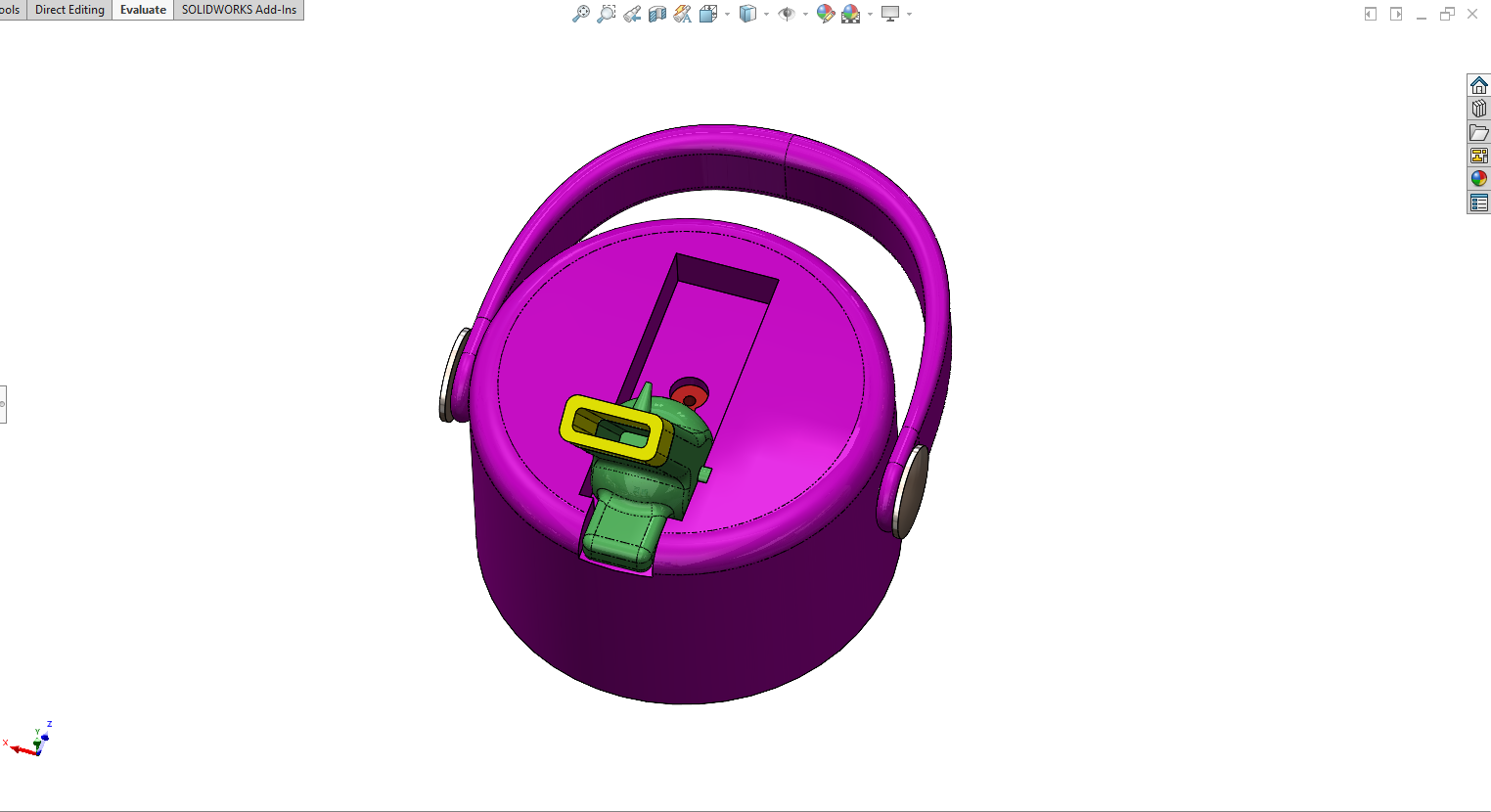
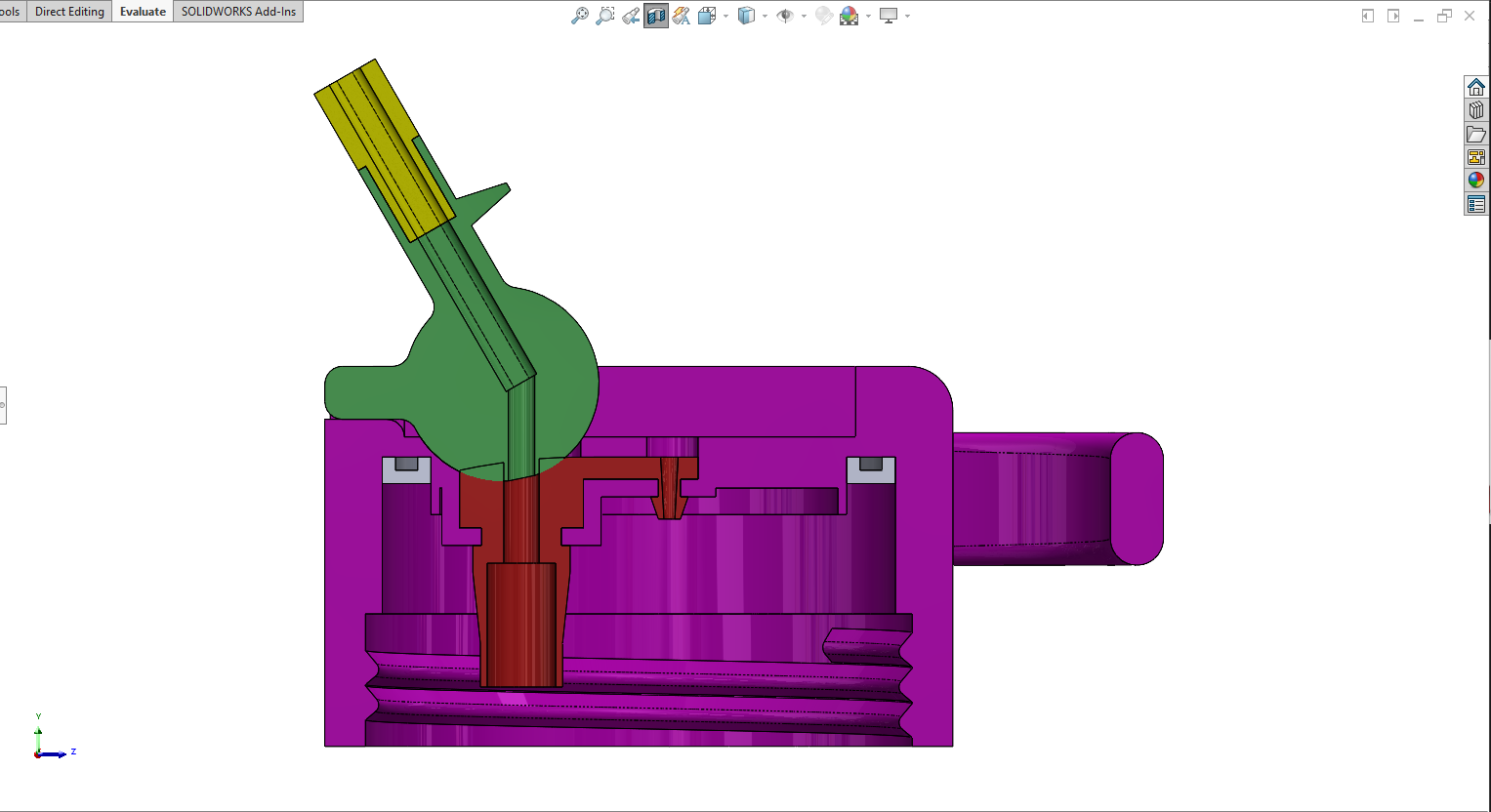
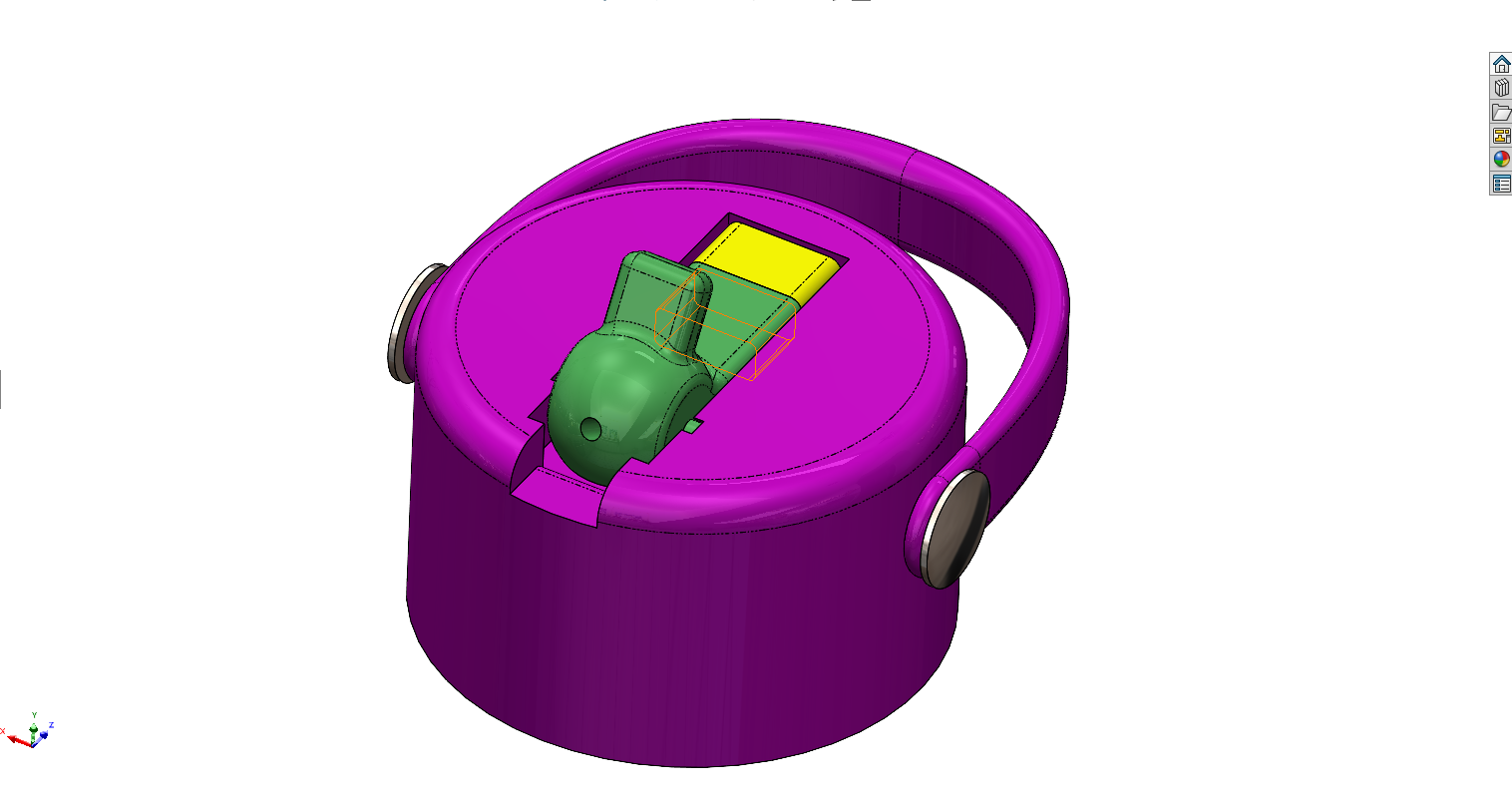
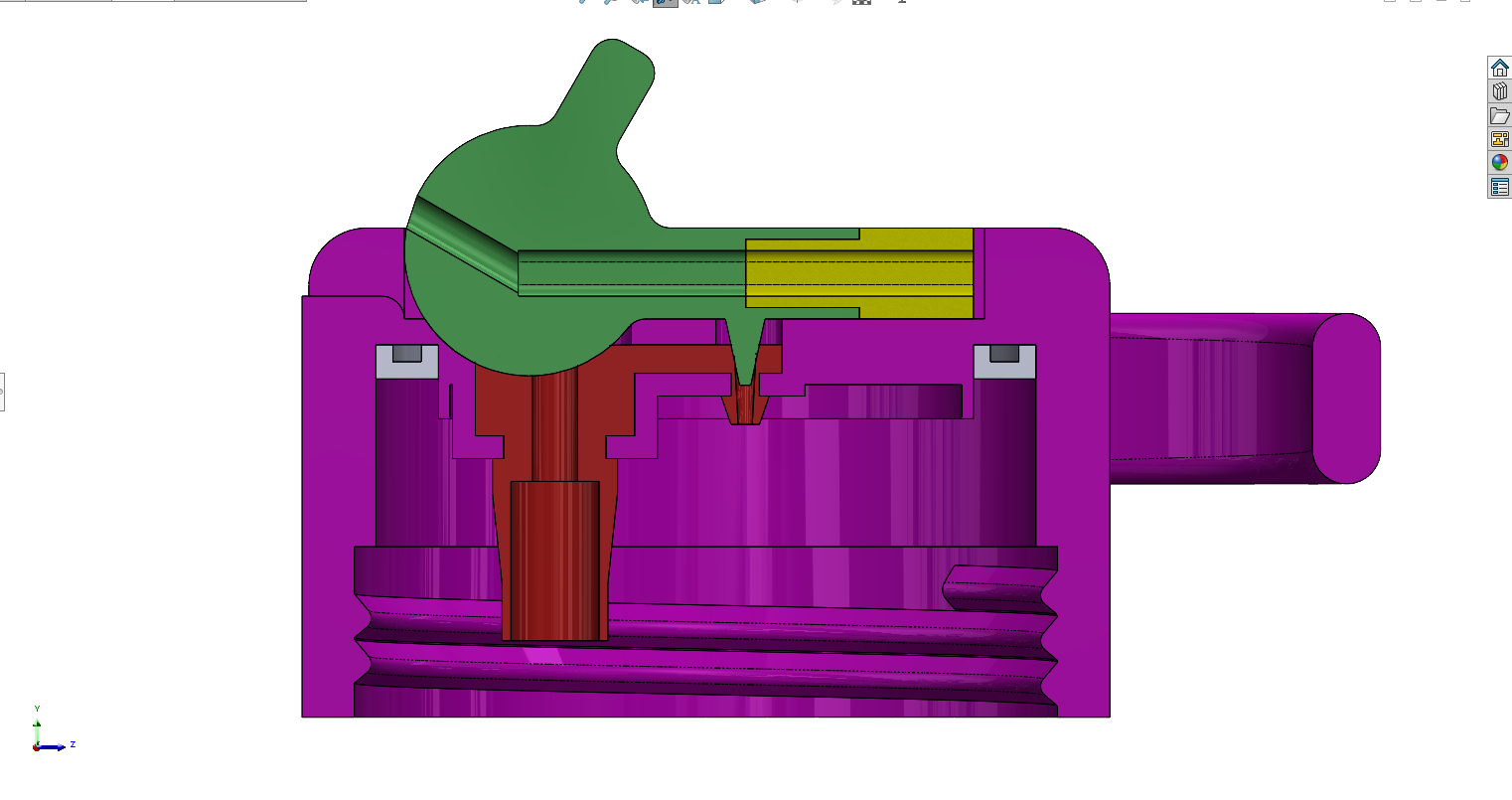
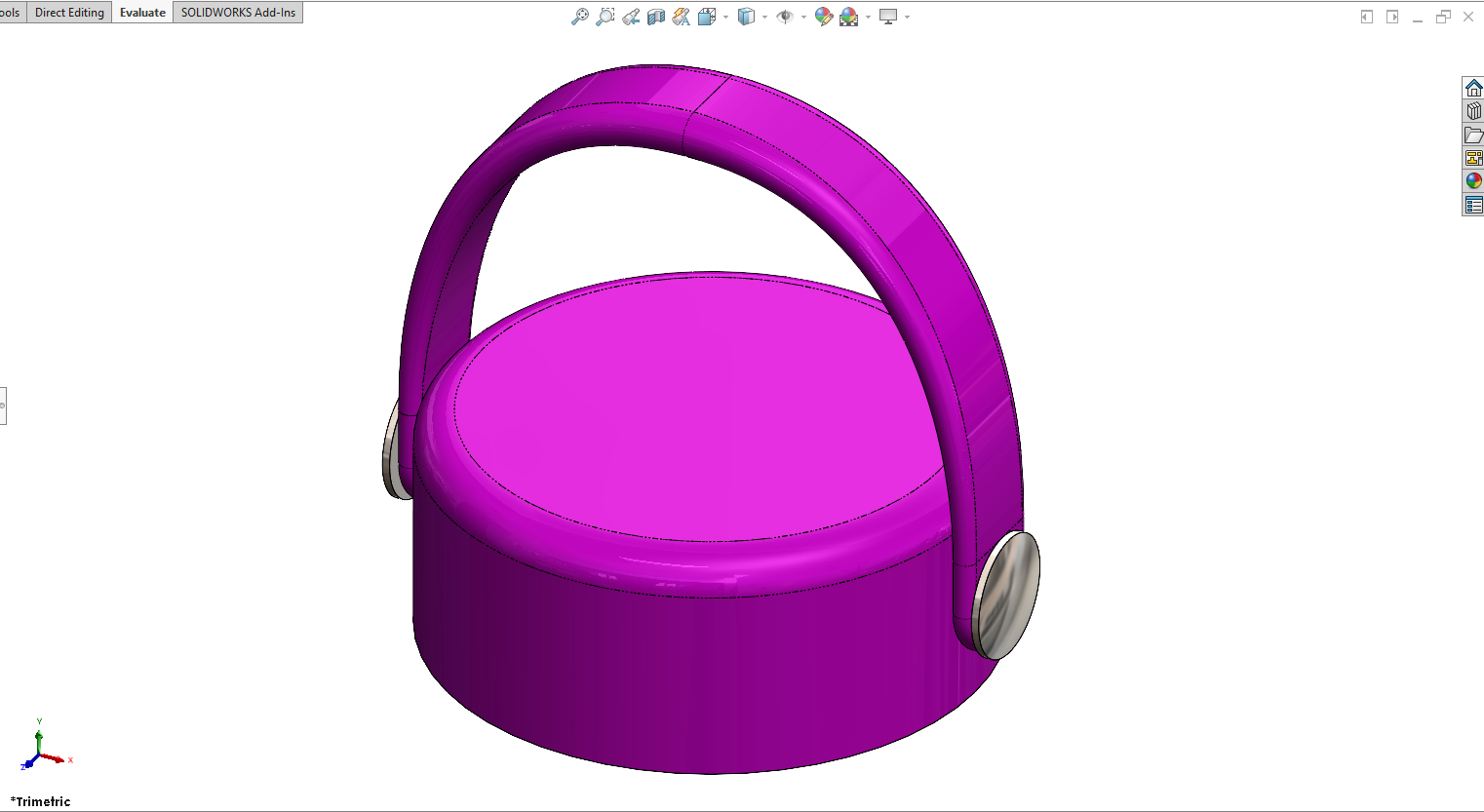
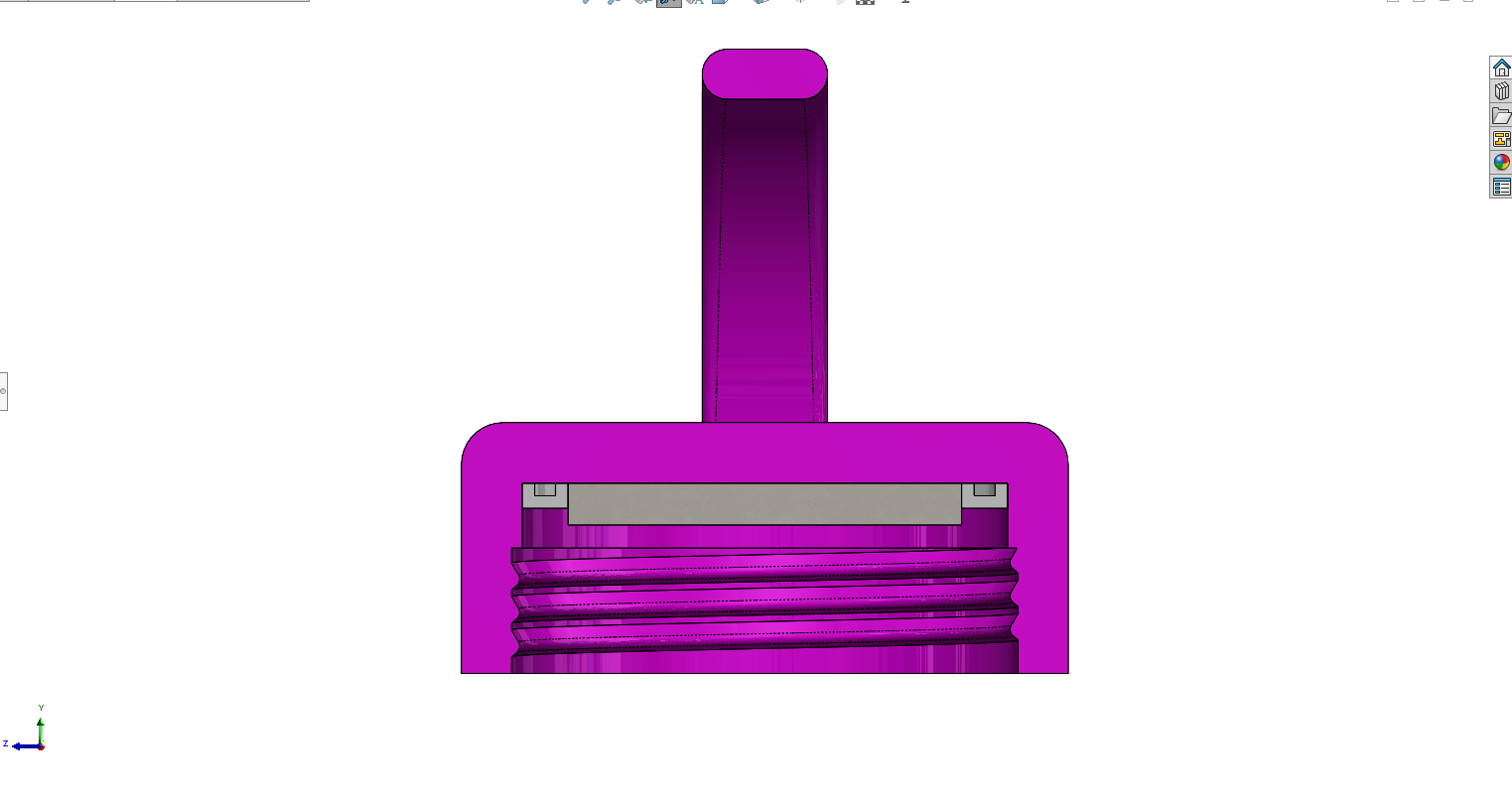

Key features:
- Injection-moldable lid bodies with consistent wall thickness
- Integrated silicone compression gasket for leak-proof sealing
- Modular architecture allowing two lid variants to share one base
- Angled straw spout with internal venting and sealing surfaces
- Flexible carry handle with metal hardware mounting
- Reverse-engineered thread compatible with commercial bottles
The Challenge:
The client required two injection-moldable water bottle lids sharing a common thread and sealing system:
- Lid #1: A sealed, flat-top lid with a silicone gasket and a flexible carry handle.
- Lid #2: A straw-based drinking lid using the same base geometry, but with an angled spout and internal silicone sealing system.
Both lids had to be compatible with an existing commercial bottle thread and prevent leakage when inverted, while remaining comfortable for daily use.
Key constraints:
- Fixed bottle thread geometry (must fit existing bottles)
- Target body outer diameter: 72.5 mm
- Wall thickness: ~5.35 mm
- Limited internal height (27–30 mm)
- Silicone parts must compress correctly against rigid plastic
- Straw diameter fixed at 7.75 mm for Lid #2
Outcome:
Both lid designs were completed as fully parametric SolidWorks assemblies and exported for SLA 3D printing.
The client successfully printed, assembled, and tested the lids, confirming:
- Proper thread engagement
- Functional sealing
- Accurate fit of silicone and rigid components
The project continued into multiple follow-up product developments, including venturi-based flavor cartridges and electronically-enabled lids.
What this project demonstrates:
This project demonstrates:
- Reverse engineering from imperfect 3D scan data
- Designing multi-material systems (rigid + silicone)
- Injection-molding-ready geometry
- Thread modeling and sealing mechanics
- Iterative product development with real physical testing
Process & Key decisions:
The project began with a client-provided reference lid and hand-annotated requirements.
Because several internal surfaces were inaccessible for direct measurement, the client arranged a 3D scan of the original bottle cap, allowing accurate extraction of:
- Internal thread geometry
- Gasket seating surfaces
- Spout housing geometry
These scanned surfaces were rebuilt into a parametric SolidWorks model, allowing design changes while maintaining perfect compatibility with the original bottle system.